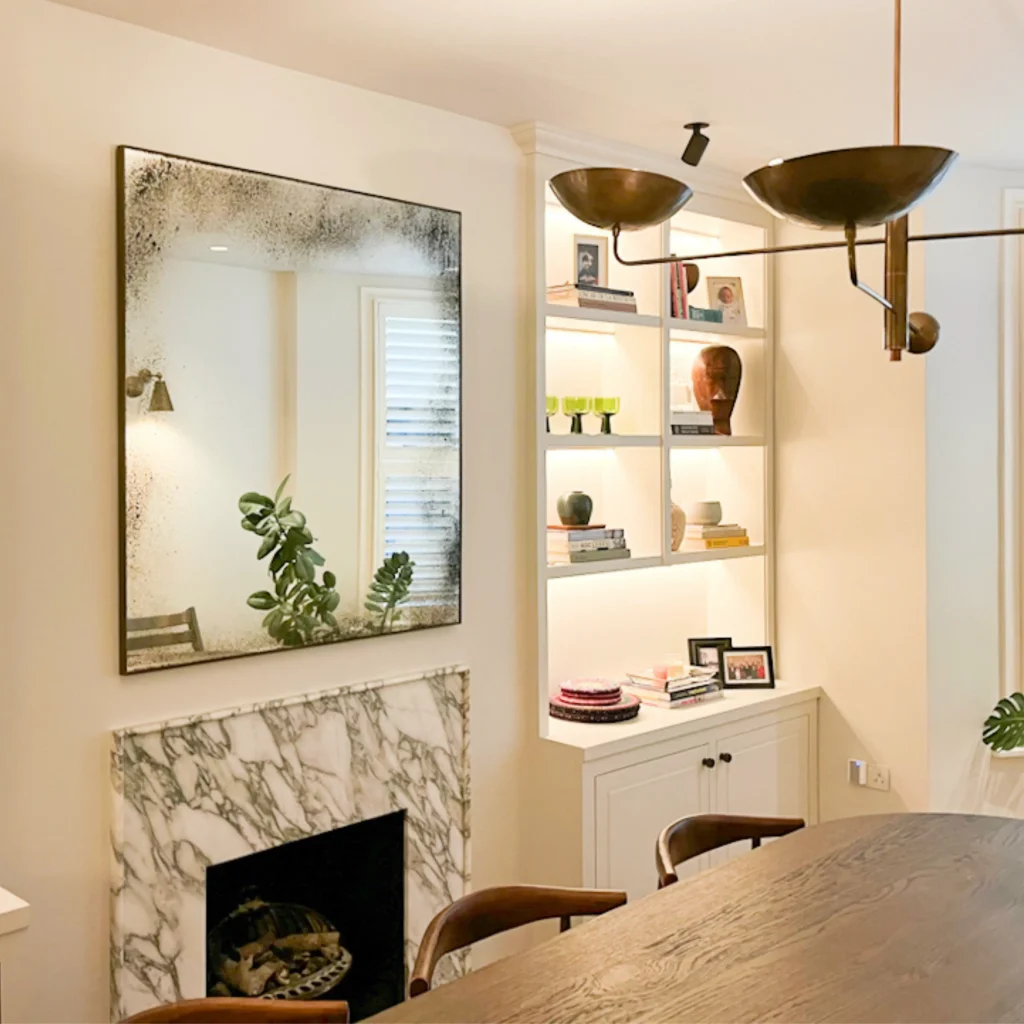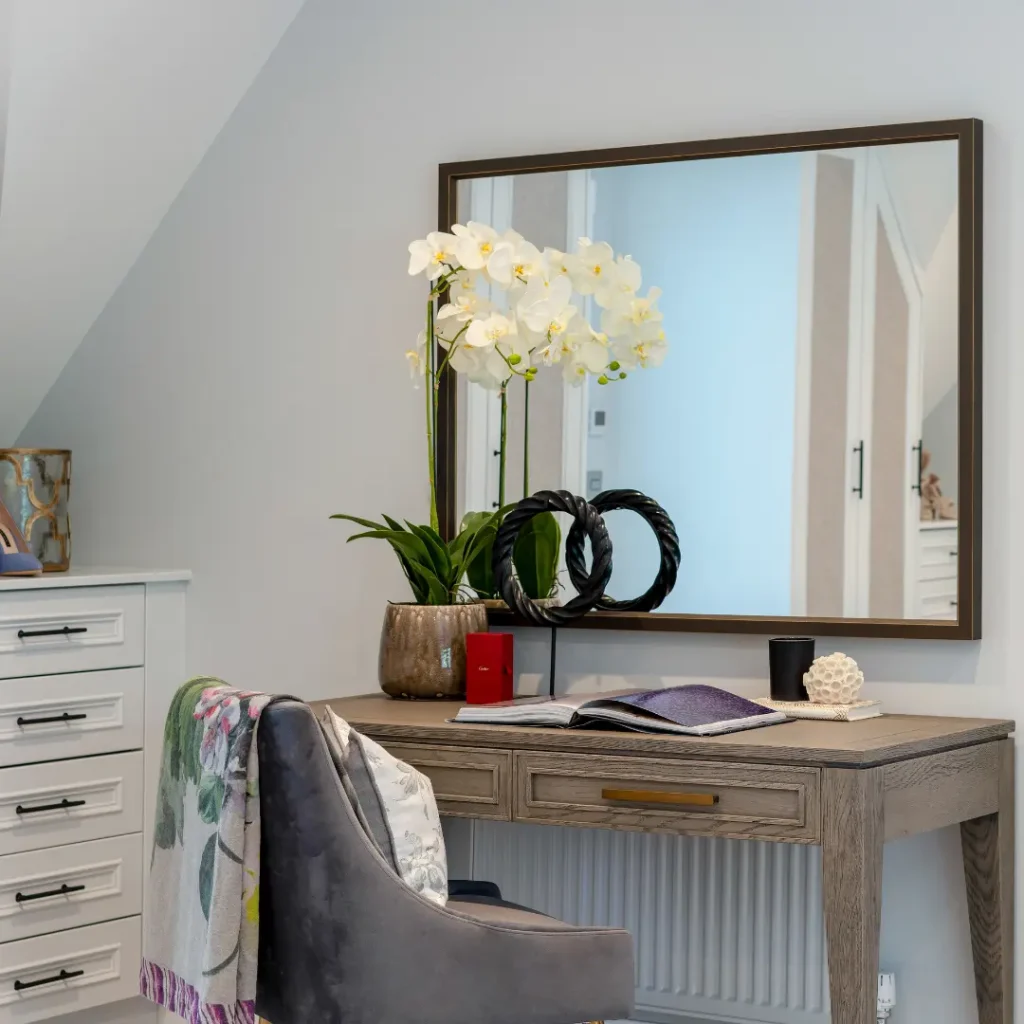
Hanging a heavy mirror is one of the most effective ways to transform a room, as it can enhance natural light and create a greater sense of space. However, it is also something that must be done properly. If a mirror is not securely fixed, it can pose a serious safety risk as well as cause damage to your walls.
In this guide, we will explain how to hang a heavy mirror safely, using the same careful approach that a professional installer would take.
Why it is Important to Hang a Mirror Safely
A heavy mirror places far more strain on a wall than a standard picture frame. If the correct fixings are not used, or if the wall type is not taken into account, the mirror may come away from the wall over time.
This can result in cracked plaster, damaged walls, or in the worst case, the mirror falling and causing injury. Taking the time to install it properly will ensure that it remains secure and looks its best for years to come.
Step 1: Check the Weight of the Mirror
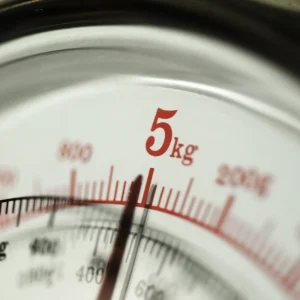
Before starting, it is essential to know how much the mirror weighs. This will determine the type of fixings required and whether additional support is needed.
Lighter mirrors may be supported with standard fixings, but anything of significant weight will require heavy-duty wall fixings. Very large or particularly heavy mirrors often benefit from specialist hanging systems or professional installation.
Step 2: Identify the Type of Wall

The construction of your wall will have a direct impact on how the mirror should be installed.
In many modern homes, walls are made from plasterboard, which is relatively weak on its own. In this case, it is important to use appropriate plasterboard fixings or to secure the mirror into a timber stud behind the wall if one is available.
Solid walls, such as brick or masonry, provide a much stronger base. However, they require drilling and the use of suitable wall plugs to ensure a secure fixing.
Understanding your wall type is a crucial step in ensuring the mirror is safely supported.
Step 3: Select the Correct Fixings
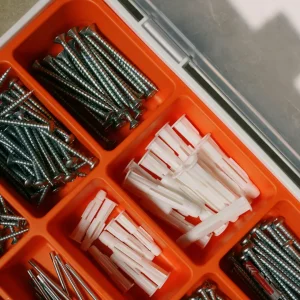
Choosing the right fixings is the most important part of the process. The fixings must be suitable for both the weight of the mirror and the type of wall.
For solid walls, heavy-duty screws used in conjunction with quality wall plugs are typically the best option. For plasterboard walls, specialist fixings such as hollow wall anchors or toggle fixings are often required to distribute the weight safely.
Where possible, fixing directly into a timber stud will provide the most secure result. For particularly heavy mirrors, a hanging system such as a French cleat can offer additional stability and support.
Using the correct fixings will ensure that the mirror remains securely in place over time.
Step 4: Measure and Mark Carefully
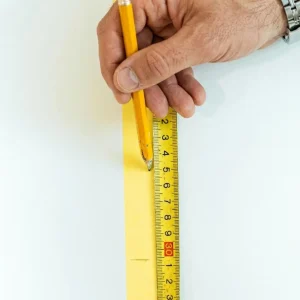
Accurate measuring is essential, both for safety and for achieving a professional finish.
Begin by deciding exactly where the mirror should sit on the wall. Measure carefully and mark the fixing points, ensuring that they are level. Taking the time to double-check your measurements will help avoid unnecessary holes and ensure that the mirror hangs evenly.
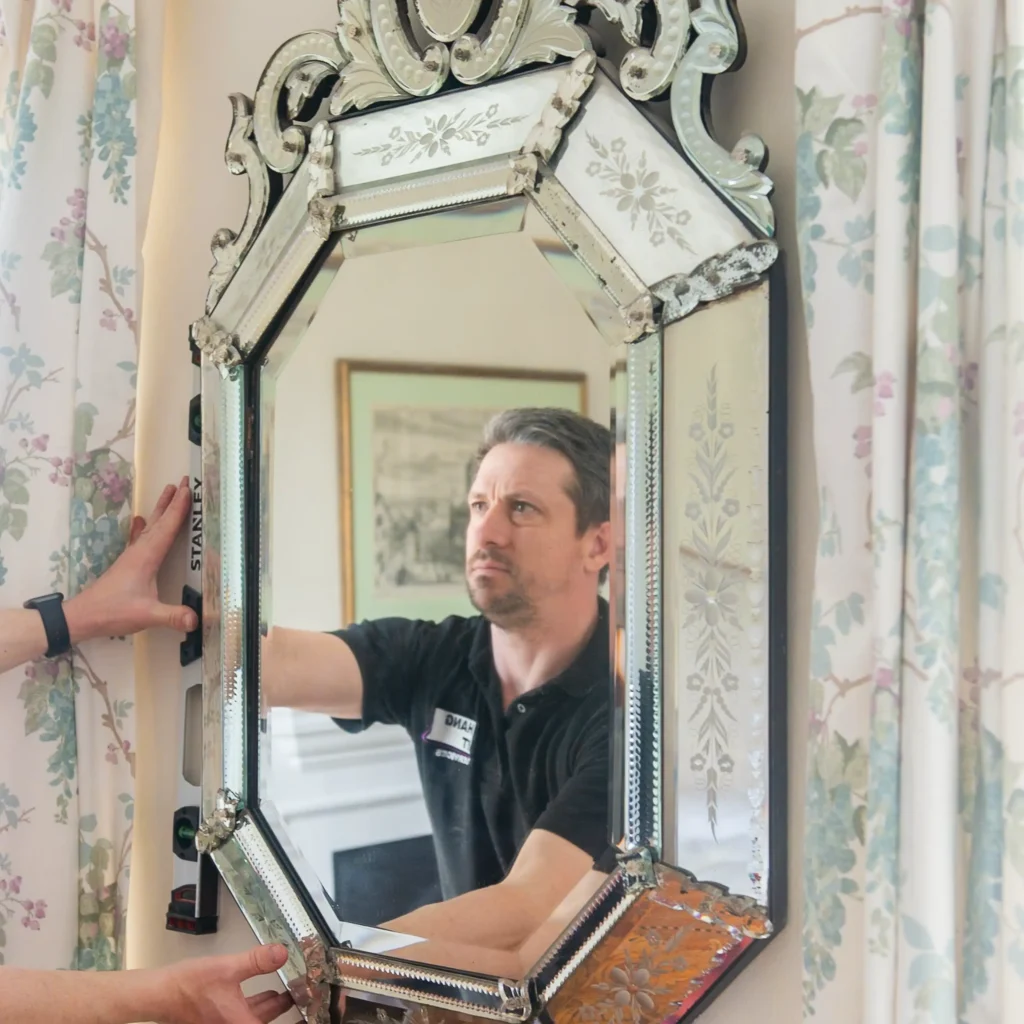
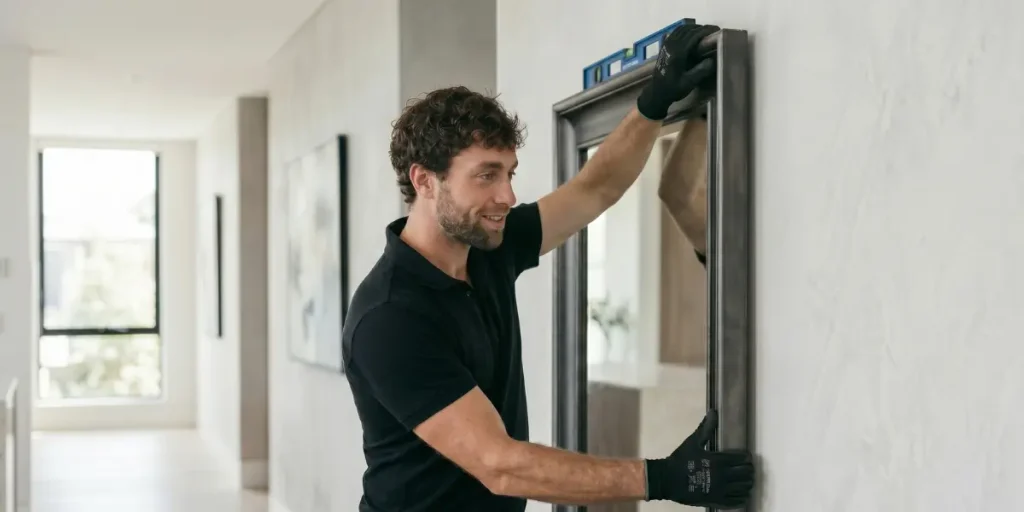
A spirit level should always be used at this stage to guarantee a straight and balanced result.
Step 5: Drill and Install the Fixings
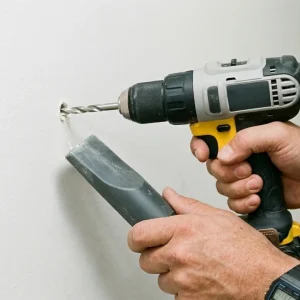
Once the positions have been marked, the next step is to drill the holes and install the fixings.
Before drilling, it is extremely important to check for hidden cables and pipes within the wall. Drilling into electrical wiring or plumbing can cause serious injury and lead to costly repairs. A cable and pipe detector should always be used to confirm that it is safe to drill in the chosen location.
When working with masonry, it is important to use the correct drill bit and to drill to the appropriate depth before inserting wall plugs. With plasterboard, care should be taken to install the chosen fixings properly so that they expand or grip securely behind the surface.
The screws should then be fitted firmly, leaving just enough space for the mirror’s hanging points to sit securely.
Step 6: Lift and Hang the Mirror
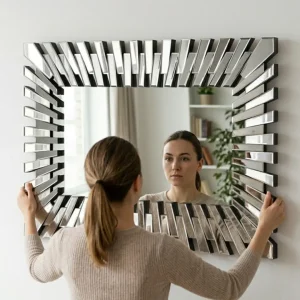
Heavy mirrors can be awkward to handle, so it is always advisable to have assistance when lifting them into place.
The mirror should be lifted carefully, held securely from the sides, and aligned with the fixings. It should then be lowered gently into position, ensuring that it sits correctly on the fittings.
Rushing this stage can lead to damage or misalignment, so it is worth taking extra care.
Step 7: Check Stability
Once the mirror is in place, it is important to check that it is secure.
Apply gentle pressure to ensure that there is no movement and that the mirror sits flush against the wall. A properly installed mirror should feel solid and stable, with no signs of shifting or tilting.
Common Mistakes to Avoid
Many issues arise from using incorrect fixings or failing to consider the wall type. Another common mistake is underestimating the weight of the mirror, which can lead to inadequate support.
Inaccurate measuring can also result in an uneven finish, while attempting to install a large mirror without assistance can increase the risk of damage or injury.
Avoiding these mistakes will help ensure a safe and professional result.
When to Consider Professional Installation
In some situations, it is advisable to seek professional assistance. This is particularly true for very heavy mirrors, valuable pieces, or installations in more challenging areas such as staircases or high ceilings.
A professional installer will have the experience and equipment needed to ensure that the mirror is fitted securely and precisely, while minimising any risk to your property.
Final Thoughts
Hanging a heavy mirror safely requires careful preparation, the correct tools, and attention to detail. While some installations can be carried out yourself, larger or more complex mirrors often benefit from a professional approach. If you would prefer complete peace of mind, or simply want the job done to a high standard without the risk, feel free to get in touch with us. We offer a professional mirror hanging service and would be happy to help ensure your mirror is installed safely and perfectly positioned.